
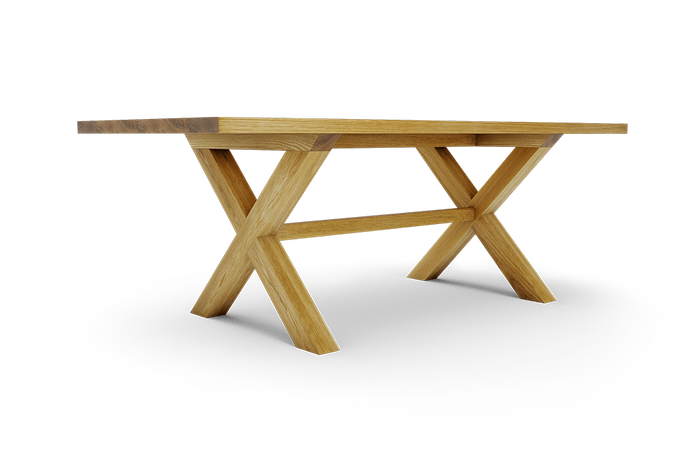
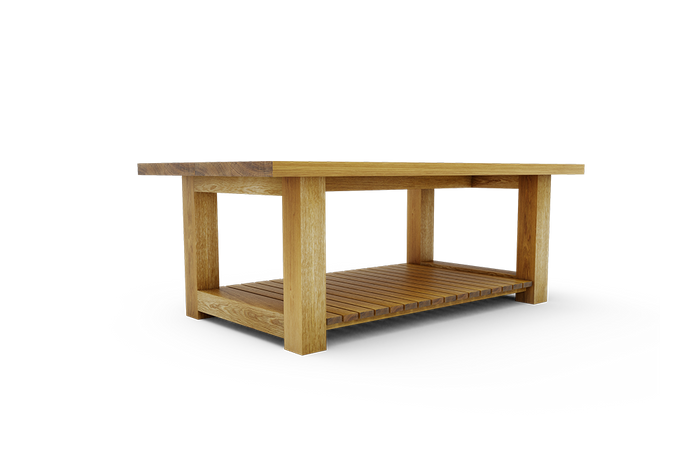
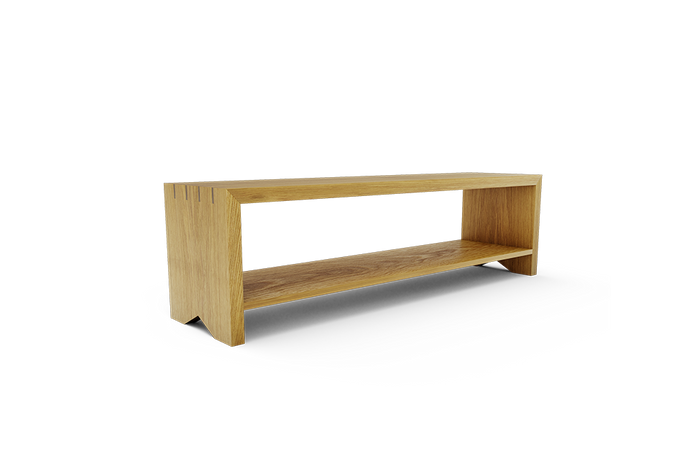
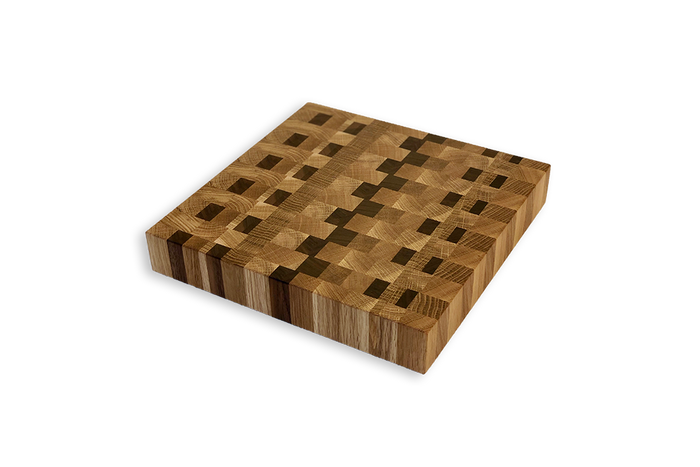

For the better part of two decades, furniture has been treated as disposable. Move into a new apartment? Buy a flat-pack table. Upgrade to a house? Replace everything. The cycle repeats, and the old stuff ends up in a landfill. But something is shifting. More and more homeowners are stepping away from the throwaway model and investing in heirloom furniture, pieces built from solid wood with real craftsmanship, designed to last for generations.
This isn't nostalgia. It's a practical response to years of buying furniture that doesn't hold up. And it's changing the way people think about what belongs in their homes.
The Problem With Disposable Furniture
The rise of fast furniture followed the same playbook as fast fashion: make it cheap, make it trendy, and make it replaceable. That business model has worked for retailers, but it hasn't worked for the people buying the furniture.
According to the EPA, Americans send over 12 million tons of furniture to landfills every year. Most of that is made from particleboard, MDF, and veneer glued onto engineered substrates. It degrades fast, can't be repaired, and isn't worth passing on to anyone.
People are starting to feel the cost of that cycle, both financially and environmentally.
What Makes Furniture Heirloom Quality?
Not every piece of furniture qualifies as heirloom quality. The term gets thrown around a lot in marketing, but it comes down to three things: materials, construction, and finish.
Materials: Heirloom furniture starts with solid hardwood. White oak, walnut, cherry, maple. These species are dense, durable, and beautiful. They develop character with age instead of falling apart.
Construction: Traditional joinery (mortise-and-tenon, dovetail, tongue-and-groove) creates structural integrity that hardware alone can't match. These methods allow wood to expand and contract naturally without compromising the joint.
Finish: A quality finish protects the wood without hiding it. Plant-based oils and waxes, like the ones used on every Rooted piece, keep the grain visible and the surface safe for everyday use. They're water-resistant, heat-tolerant, and free from harsh chemicals.
Why Homeowners Are Making the Shift
They're Tired of Replacing Furniture Every Few Years
The math eventually catches up. If you spend $800 on a dining table every five years, you've spent $4,000 over 25 years and have nothing to show for it. A single custom table built from solid hardwood costs more upfront, but it's a one-time purchase. Twenty-five years later, it still looks great and probably looks even better, since many hardwoods develop a richer patina with age.
Sustainability Matters More Now Than Ever
Buying fewer, better things is one of the most effective ways to reduce your environmental footprint. A piece of heirloom furniture stays in use for decades, sometimes centuries. It doesn't end up in a landfill. It doesn't need to be manufactured, shipped, and packaged again.
At Rooted, sustainability goes beyond building furniture that lasts. We use only responsibly forested wood, and we plant a tree for every table sold through a partnership with the National Forest Foundation. The goal is simple: leave the planet better than we found it.
People Want Things With Meaning
There's something powerful about a piece of furniture with a story. Knowing who built it, where the wood came from, and how the design came together gives the piece significance that a mass-produced item simply can't replicate. That's part of why people keep heirloom furniture. It carries meaning.
A dining table where your family shares meals every night becomes part of your life. Years from now, it carries the memory of those dinners, those holidays, those late-night conversations. You can't get that from something you assembled with an Allen wrench on a Saturday afternoon.
The Role of Custom Furniture in the Heirloom Movement
Custom furniture and heirloom quality go hand in hand. When you work with a maker to design a piece from scratch, you're involved in every decision. The wood, the size, the style, the finish. That level of intention is what separates a piece of furniture from a family heirloom.
At Rooted, the custom commission process is built around collaboration. You start with a consultation, move through design drawings and material selection, and end up with something that was made specifically for you and your home. That's the kind of piece people don't throw away. They pass it down.
How to Care for Furniture You Want to Keep Forever
Heirloom furniture doesn't ask for much, but it does ask for some attention. Regular dusting, gentle cleaning with a damp cloth, and avoiding harsh chemical cleaners will keep a natural finish in great shape for years. For Colorado homeowners, managing indoor humidity during dry winter months is especially important, since solid wood responds to its environment.
Every piece from Rooted ships with a complimentary care kit and detailed care instructions so you know exactly how to protect your investment from day one.
Build Something Worth Passing Down
The best furniture isn't the trendiest or the cheapest. It's the piece that's still standing, still beautiful, and still in the family fifty years from now. At Rooted, every piece is handcrafted from solid hardwood in Boulder, CO, using traditional techniques that have stood the test of time. Start your custom commission and create something your family will keep for generations.
Frequently Asked Questions
What is heirloom-quality furniture?
Heirloom-quality furniture is built from solid hardwood using traditional joinery techniques and a durable, non-toxic finish. It's designed to last for generations and be passed down within a family rather than replaced.
How is heirloom furniture different from antique furniture?
Antique furniture is defined by its age, typically 100 years or older. Heirloom furniture refers to the quality and intention behind the piece. A new custom dining table built today with solid wood and proper joinery is heirloom quality because it's made to last long enough to become an antique.
Is heirloom furniture worth the higher price?
When you factor in the cost of replacing cheap furniture multiple times over a lifetime, heirloom furniture is often the more affordable option. You buy it once, care for it, and it lasts for decades or longer.
What types of wood are best for heirloom furniture?
Dense hardwoods like white oak, walnut, cherry, and maple are the most common choices. Each species has a unique grain pattern, color, and durability profile. Your furniture maker can help you choose the right wood for your project.
Can I commission heirloom furniture if I'm not in Boulder?
Yes. While Rooted builds every piece in Boulder, CO, we ship throughout the continental United States. The design consultation and approval process happens remotely, so location is not a barrier.
References
U.S. Environmental Protection Agency. "Durable Goods: Product-Specific Data." https://www.epa.gov/facts-and-figures-about-materials-waste-and-recycling/durable-goods-product-specific-data