
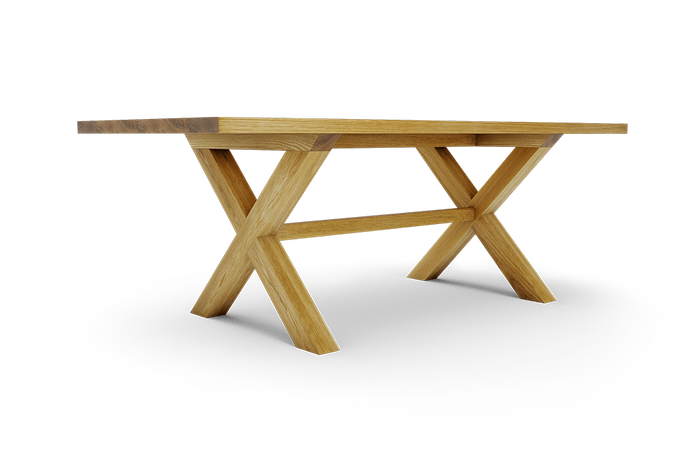
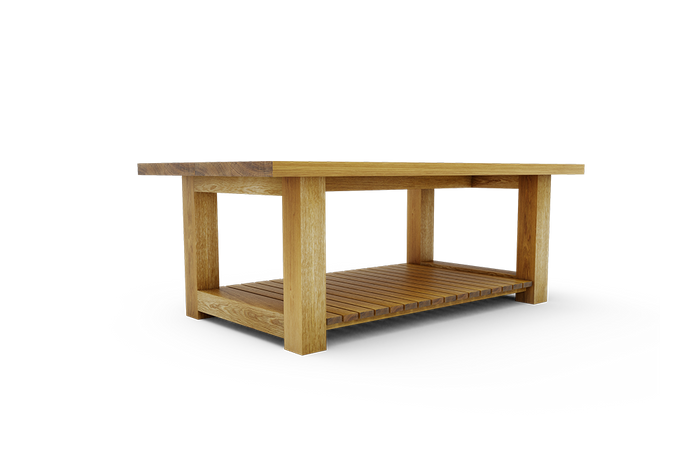
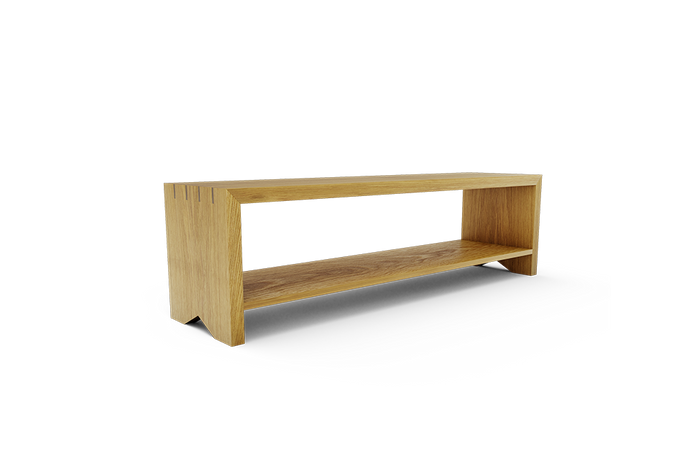

A solid wood dining table is one of the most visually striking things you can put in a room. The grain, the texture, the warmth of the material. It doesn't need much help to look good. But how you style the space around it determines whether the table feels like the centerpiece it should be or gets lost in the noise of a cluttered room.
Modern design is all about restraint, clean lines, and letting quality materials do the talking. That philosophy pairs perfectly with a solid wood dining table. The trick is knowing what to add, what to leave out, and how to create a space that feels intentional without feeling sterile.
Let the Table Be the Focal Point
This is the most important principle, and it's the one most people get wrong. If you've invested in a handmade dining table built from solid walnut or white oak, the table itself is the statement. You don't need to compete with it. You need to support it.
That means keeping the surface relatively clear. A centerpiece is fine. A runner can work in certain styles. But if the tabletop is covered in placemats, candles, stacks of mail, and a fruit bowl, you're hiding the very thing that makes the piece special. The grain pattern, the natural color variation, the hand-finished surface. Let people see it. Let people touch it.
When guests sit down at a table made from a single slab of walnut with a live edge and a plant-based finish you can actually feel under your fingers, they notice. That's the whole point.
Choose Seating That Complements, Not Competes
The chairs or benches you pair with your table can make or break the look. In a modern setting, the goal is contrast and balance, not matching sets.
Upholstered chairs in neutral tones (charcoal, cream, warm gray) add softness against the hard lines of a wood table. Metal-framed chairs with leather or woven seats bring an industrial edge. Simple wood chairs in a lighter or darker species than the table create visual interest without clashing.
Benches are another strong option, especially on one side. A solid wood bench from the same maker keeps the material consistent while opening up the visual space. Benches also work well for families with kids since there are no arms to navigate and the seating is flexible.
The key is proportion. Make sure the seat height works with the table's apron height, and leave enough clearance for armrests if you're using arm chairs. These details come up naturally during a custom commission consultation, where the seating plan is part of the overall design conversation.
Lighting Sets the Mood
Lighting over a dining table is one of the most underrated design decisions in a home. The right fixture transforms the space. The wrong one either overpowers the table or leaves it sitting in flat, uninspiring light.
For modern homes, a low-hanging pendant or a linear chandelier works well over a rectangular table. The fixture should hang roughly 30 to 36 inches above the tabletop, low enough to create an intimate pool of light but high enough that no one is staring into a bulb.
Warm-toned bulbs (2700K to 3000K) bring out the natural warmth of hardwood. Cool or daylight bulbs wash it out. If your dining room gets strong natural light during the day, that's a bonus for showing off the grain, but consider window treatments that control direct sunlight. Prolonged UV exposure can change the color of the wood unevenly over time.
Dimmable fixtures give you the flexibility to shift from a bright, casual dinner to a quieter evening atmosphere without changing anything else in the room.
Keep the Palette Simple
Modern styling works best with a restrained color palette that lets the wood be the warmest element in the room. White walls, concrete floors, matte black hardware, and natural textiles (linen, wool, cotton) all pair well with solid wood.
If you want to add color, do it in small doses. A set of ceramic bowls in a muted blue. Cloth napkins in olive or terracotta. A single potted plant at the end of the table. These touches add life without pulling attention away from the table.
Avoid high-gloss finishes and metallic accents in the immediate area around the table. They compete with the natural matte texture of a hand-finished wood surface. The goal is warmth and simplicity, not flash.
Mind the Rug Situation
A rug under a dining table is a common move, but it's worth thinking through carefully. On the positive side, a rug defines the dining area in an open floor plan, absorbs sound, and adds texture underfoot. On the downside, it catches crumbs, gets stained by spills, and chairs can catch on the edges.
If you go with a rug, choose a flat-weave or low-pile option that's easy to clean. The rug should extend at least 24 inches past all sides of the table so chairs stay on it even when pulled out. Natural fibers like jute or sisal complement wood tones without competing.
If you skip the rug entirely, that's a perfectly valid modern choice. A solid wood table on a clean hardwood or concrete floor creates a streamlined look that many contemporary homes are built for.
Seasonal Styling Without Clutter
One of the advantages of a minimalist approach is that small seasonal changes make a big impact. In fall, swap in linen napkins in a deeper color and add a low arrangement of dried branches. In winter, simple white candles and greenery work without overwhelming the surface. In summer, let the table sit nearly bare with maybe a bowl of fresh fruit or a small vase.
The point is that a well-built, beautiful table doesn't need much to look good in any season. Less is almost always more. If you find yourself piling things on top of the surface, step back and ask whether you're decorating the table or covering it up.
Protect the Surface While Keeping It Accessible
A dining table is meant to be used, not preserved under glass. But a few simple habits keep the surface in great condition without turning dinner into a stress event.
Use trivets or heat pads for hot dishes, coasters for sweating glasses, and felt pads under heavy decorative objects. For everyday meals, placemats are helpful but not required if your table has a quality finish. Rooted's plant-based finish is water-resistant and heat-safe up to 212 degrees, so normal use won't cause damage.
If a spill happens, blot it and wipe clean with a damp cloth. For deeper cleaning, use the products recommended in your care kit. Avoid commercial sprays with ammonia or silicone. They'll do more harm than good over time.
Start With a Table Worth Styling
Styling only works when the foundation is worth showing off. At Rooted, every dining table is handcrafted from solid hardwood in Boulder, CO, with traditional joinery and a finish that's safe for your family. The grain, the texture, the weight of the material. It all speaks for itself. Explore our collections or start a custom commission designed around your space and your style.
Frequently Asked Questions
What style of chairs goes best with a solid wood dining table?
In a modern home, contrast works well. Upholstered chairs in neutral fabrics, metal-framed chairs with leather seats, or simple wood chairs in a different species than the table all create visual interest without clashing. The key is proportion and making sure the seat height matches the table.
Should I put a rug under my dining table?
It depends on your space and preferences. A flat-weave rug defines the dining area and absorbs sound, but it also catches crumbs and stains. If you use one, choose a low-pile option that extends at least 24 inches past all sides of the table. Skipping the rug entirely is also a clean, modern choice.
How do I protect a solid wood table during daily use?
Use trivets for hot dishes, coasters for sweating glasses, and blot spills quickly with a damp cloth. A quality finish like a plant-based oil and wax is water-resistant and heat-safe, so normal daily use won't damage the surface. Avoid harsh chemical cleaners and follow the care instructions provided with your piece.
What kind of lighting works best over a wood dining table?
A low-hanging pendant or linear chandelier in a warm metallic or matte black finish works well. Hang it 30 to 36 inches above the tabletop and use warm-toned bulbs (2700K to 3000K) to bring out the natural color of the wood. Dimmable fixtures add flexibility for different moods.
Can I mix wood tones in my dining room?
Yes. Mixing wood tones adds depth and visual interest. The key is to vary the tones enough that they look intentional, not mismatched. Pairing a dark walnut table with lighter oak flooring, or a white oak table with darker wood shelving, creates a layered, modern look.
References
Architectural Digest. "How to Style a Dining Table Like a Designer." https://www.architecturaldigest.com/