

A dining table is the most used piece of furniture in most homes. It's where meals happen, where homework gets done, where conversations stretch late into the evening. Choosing the right one matters more than most people realize, especially if you're investing in solid wood. There are a lot of variables: size, shape, wood species, construction, finish, edge style, seating configuration. Each one affects how the table looks, how it functions, and how long it lasts.
This guide walks through every decision you'll need to make so you end up with a table that fits your home, your family, and your life for decades to come.
Start With the Size and Shape
Before you think about wood species or finish, figure out how much space you actually have. Measure the room and leave at least 36 inches between the edge of the table and any wall or furniture. That gives people enough room to pull out a chair and sit down comfortably.
For seating capacity, a good rule of thumb is 24 inches of table length per person along the sides. A 72-inch table seats six comfortably, eight if you use the ends. A 96-inch table handles eight to ten.
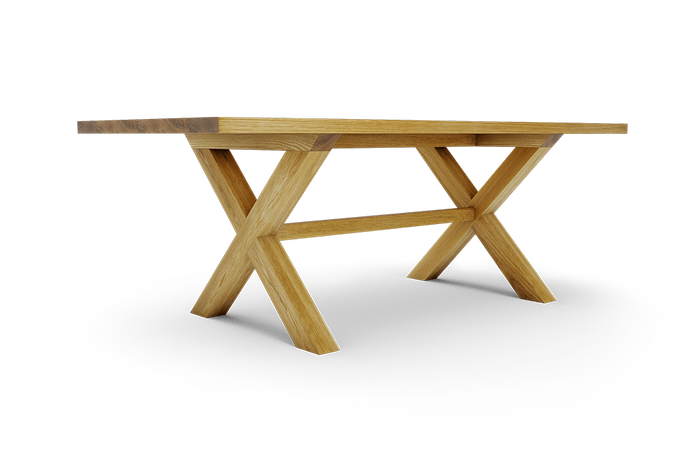
Shape depends on the room and how you use it. Rectangular tables are the most versatile and work well in most dining rooms. Round tables encourage conversation and work best in square rooms. If your space is narrow, a trestle-style base gives more legroom than a traditional four-leg design.
Choose the Right Wood Species
The species of wood affects everything: color, grain pattern, hardness, and how the table ages over time. Here are the four most common options for solid wood dining tables.
White Oak: Dense and durable with a strong, visible grain. It handles moisture well and takes stains beautifully. White oak is one of the most popular choices for dining tables because it balances toughness with visual warmth.
Walnut: Rich chocolate tones with a smooth, flowing grain. Walnut is a statement wood that looks stunning with a natural finish. It's softer than oak but still holds up well to daily use.
Maple: Light-colored and tight-grained, maple works well in modern or minimalist spaces. It's one of the hardest domestic hardwoods, making it extremely durable.
Cherry: Starts lighter and deepens to a warm reddish-brown over time. Cherry develops a rich patina with age, making it a wood that genuinely looks better the longer you own it.
During a custom commission consultation, your maker can show you samples and help you choose the species that fits your space and your style.
Understand the Construction
A solid wood dining table is only as good as its joinery. The way the top, legs, apron, and base connect determines whether the table stays solid for decades or starts wobbling after a year.
Look for traditional joinery methods: mortise-and-tenon joints connecting the legs to the apron, breadboard ends to control seasonal wood movement on the tabletop, and properly engineered attachment points that allow the top to expand and contract without cracking. These methods have been used for centuries because they create joints that hold up under real use.
Be cautious of tables that rely heavily on pocket screws, metal brackets, or excessive glue. Those connections weaken over time, especially in climates like Colorado's where humidity swings cause wood to move seasonally.
Pick a Finish That Fits Your Life
The finish protects your table from moisture, heat, scratches, and daily wear. It also determines how the wood looks and feels to the touch. There are several common options, and each has tradeoffs.
Polyurethane creates a hard, plastic-like shell. It's durable but can yellow over time and hides the natural feel of the wood. If it gets damaged, you typically have to strip and refinish the entire surface.
Lacquer dries fast and creates a smooth surface, but it can chip and is difficult to repair without professional help.
Plant-based oils and waxes penetrate the wood fibers instead of sitting on top of them. This type of finish is water-resistant, heat-safe (up to 212 degrees with Rooted's finish), and completely non-toxic. It lets you feel the real wood grain under your hands, and if a spot ever needs attention, you can touch it up without refinishing the whole table.
Whatever finish you choose, make sure you understand the care and maintenance it requires so you can keep your table looking great for years.
Decide on an Edge Style
The edge of your table is a design detail that changes the entire character of the piece.
Live edge preserves the natural contour of the tree. It's organic, textured, and completely unique to every slab. No two live edge tables look the same, which is part of the appeal. It works well in rustic, modern, or eclectic spaces.
Straight edge is clean and geometric. It creates defined lines and works well in minimalist, contemporary, or traditional settings.
Eased or rounded edges soften the look slightly without going full live edge. This is a good option if you have small children and want to avoid sharp corners while keeping a clean design.
Browse a maker's portfolio to see how different edge styles look on finished pieces. It's one of those details that's easier to evaluate visually than in a description.
Think About Seating and Functionality
Your table's design should account for how you'll actually use it. Do you need chairs on all four sides, or would a bench on one side work better for young kids? Will you use the ends for seating, or do you prefer to keep them open?
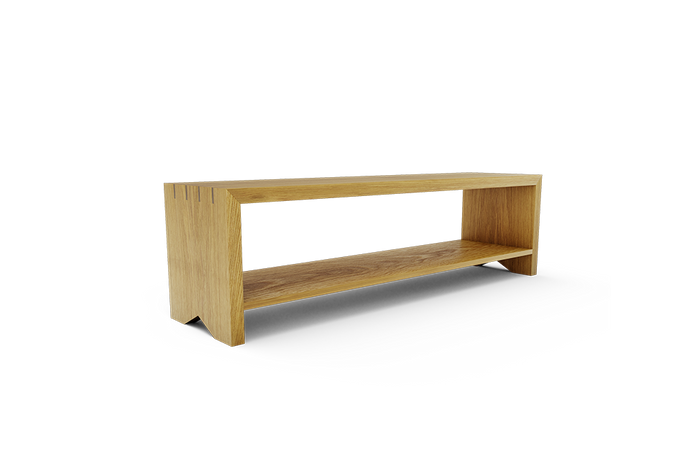
Bench seating is popular for families because it's flexible. Kids can slide in and out easily, and you can fit an extra person when company comes over. Bench seating also creates a cleaner visual because there are fewer legs under the table.
If you're choosing chairs, make sure the table's apron height allows enough clearance for armrests. Pedestal and trestle bases tend to offer more legroom and seating flexibility than standard four-leg designs.
These are the kinds of details that come up during a design consultation, and they're the reason a custom table fits your life better than anything you'll find on a showroom floor.
Consider Where It's Made and Who Made It
Where your table comes from matters. A piece built by a local maker in a small shop carries a different level of accountability than something shipped from an overseas factory. You can visit the workshop. You can talk to the person who selected your wood and cut your joints. If something isn't right, you're dealing with the builder directly.
There's also the sustainability factor. Local production means shorter shipping distances and less environmental impact. At Rooted, we use only responsibly forested wood and plant a tree for every table sold through a partnership with the National Forest Foundation. When you know where your table comes from, you can feel good about what's sitting in your dining room.
Build the Table You'll Keep Forever
The right dining table isn't just a piece of furniture. It's the center of your home. At Rooted, every table is handcrafted from solid hardwood right here in Boulder, CO, designed in close collaboration with you, and finished with a plant-based coating that's safe for your whole family. Whether you know exactly what you want or you're still figuring it out, we'll help you get there. Set up a consultation and let's start designing your table.
Frequently Asked Questions
What size dining table do I need for my space?
Allow 24 inches of table length per person along the sides and at least 36 inches of clearance between the table edge and any walls or furniture. A 72-inch table seats six comfortably, while a 96-inch table handles eight to ten.
What is the most durable wood for a dining table?
White oak and maple are among the hardest and most durable domestic hardwoods. Both handle daily use extremely well. Walnut and cherry are slightly softer but still excellent choices for dining tables, especially when protected with a quality finish.
How do I care for a solid wood dining table?
Dust regularly with a soft, dry cloth. Clean spills by blotting and wiping with a damp cloth. Avoid commercial cleaning sprays with ammonia or bleach, as they can damage natural finishes. In Colorado, running a humidifier during winter months helps prevent the wood from drying out. Follow the specific care instructions provided with your table.
Should I choose a live edge or straight edge dining table?
It comes down to personal style and the feel of your space. Live edge tables have an organic, one-of-a-kind look. Straight edge tables are cleaner and more geometric. Neither is better. Choose whichever fits the aesthetic of your dining room and the way you want the space to feel.
How long does it take to build a custom dining table?
Timelines vary based on design complexity and materials. Most dining tables take several weeks after the design is finalized. Complex projects with custom details may take longer. A good maker will give you a realistic timeline during the consultation and keep you updated with photo progress throughout the build.
References
USDA Forest Products Laboratory. "Wood Handbook: Moisture Relations and Physical Properties of Wood." https://www.fpl.fs.usda.gov/documnts/fplgtr/fplgtr190/chapter_04.pdf
American Home Furnishings Alliance. https://www.ahfa.us/