
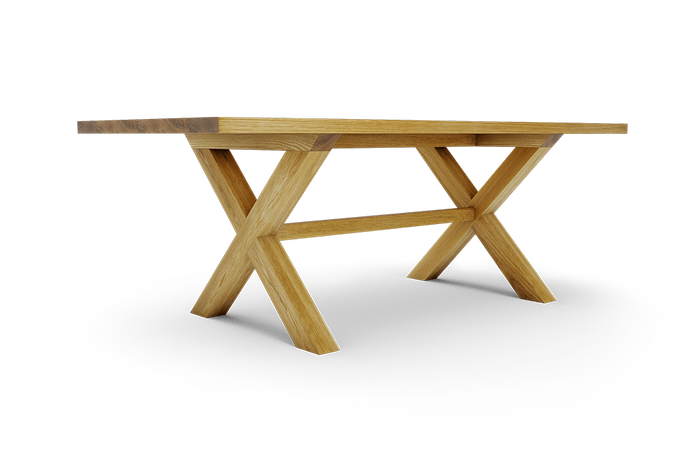
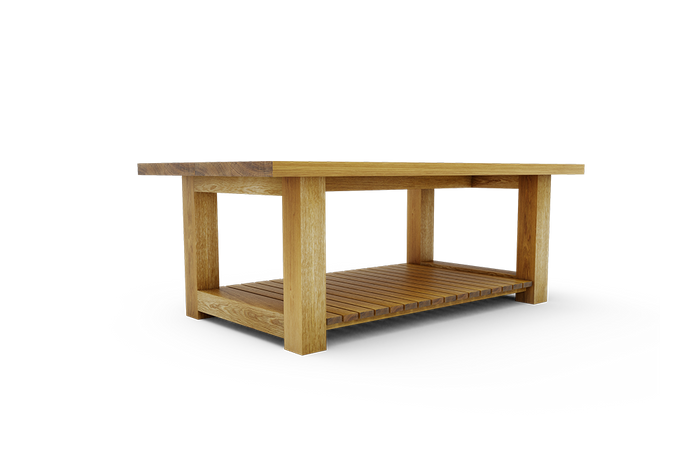
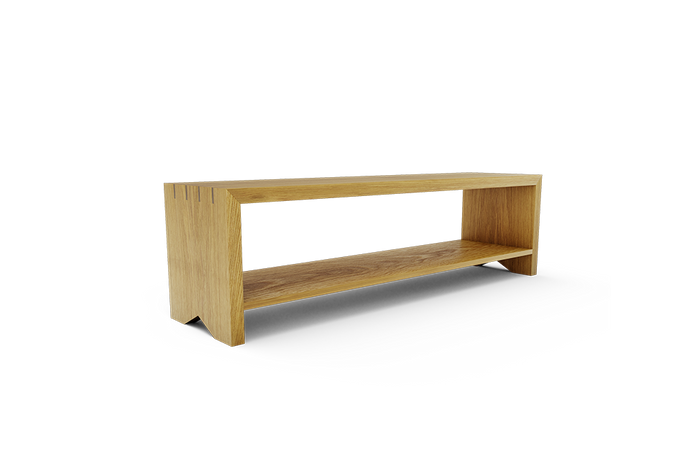

Solid wood furniture is built to last for generations, but Colorado's climate doesn't make that easy. Between the dry mountain air, low humidity, intense sun exposure, and wide temperature swings, wood in this state faces conditions most furniture never has to deal with. The good news? With a little awareness and the right care routine, your solid wood furniture will stay beautiful for decades.
Why Colorado's Climate Matters for Wood Furniture
Wood is a natural material, and it responds to its environment. It absorbs moisture when the air is humid, and it releases moisture when the air is dry. In a state like Florida, you might worry about swelling. In Colorado, the bigger concern is the opposite: drying out.
Boulder sits at roughly 5,400 feet. At that altitude, humidity levels regularly drop below 20% during winter months. The USDA Forest Products Laboratory recommends keeping wood furniture in environments between 30% and 50% relative humidity. When the air dips well below that range, wood can shrink, crack, or develop small gaps along joints. None of that is a death sentence for a well-built piece, but it does mean you should be paying attention.
Daily and Weekly Cleaning Basics
Keeping your furniture clean doesn't require anything fancy. Dust regularly with a soft, dry cloth. When you need a deeper clean, use a slightly damp cloth and wipe in the direction of the grain. That's it for most days.
For stains and spills, act quickly. Blot the spill rather than rubbing it, then clean the area with a damp cloth. If you own a Rooted table, your piece comes with a complimentary care kit that includes a routine cleaner and a spot cleaner for tougher marks.
Protect Your Finish From Harsh Chemicals
This is one of the most common mistakes people make. Commercial cleaning sprays, all-purpose cleaners, and anything with ammonia or bleach will break down a natural wood finish over time. If your furniture is finished with plant-based oils and waxes (like every piece from Rooted), those finishes are strong and family-safe, but they aren't designed to withstand chemical cleaners.
Stick to water, a soft cloth, and the cleaning products recommended by your furniture maker. It sounds simple because it is.
Managing Humidity and Dry Air in Colorado
This is the big one for Colorado homeowners. When indoor humidity drops below 30%, wood starts to lose moisture faster than it can absorb it. Over a long winter, that can lead to minor shrinkage or small seasonal cracks, especially in wider pieces like dining tables.
A humidifier in the room where your furniture lives makes a noticeable difference. You don't need to turn your house into a tropical greenhouse. Keeping the room between 35% and 45% relative humidity is the sweet spot. A simple hygrometer (available at any hardware store for around $10) will let you monitor levels.
Also be mindful of placement. Putting a wood table directly next to a heating vent or a wood-burning stove accelerates drying. Even a few feet of distance can help.
Dealing With Colorado's Intense Sun Exposure
Colorado gets over 300 days of sunshine a year, and at altitude, UV rays are stronger than at sea level. Prolonged direct sunlight will change the color of your wood over time. Some species, like walnut, lighten with sun exposure. Others, like cherry, deepen. Neither is "damage" in the traditional sense, but uneven exposure can leave visible patches.
If your table sits near a south- or west-facing window, consider using blinds or curtains during peak sun hours. Rotating centerpieces, placemats, and decorative items regularly also helps ensure the surface ages evenly.
Caring for Cutting Boards and Accessories
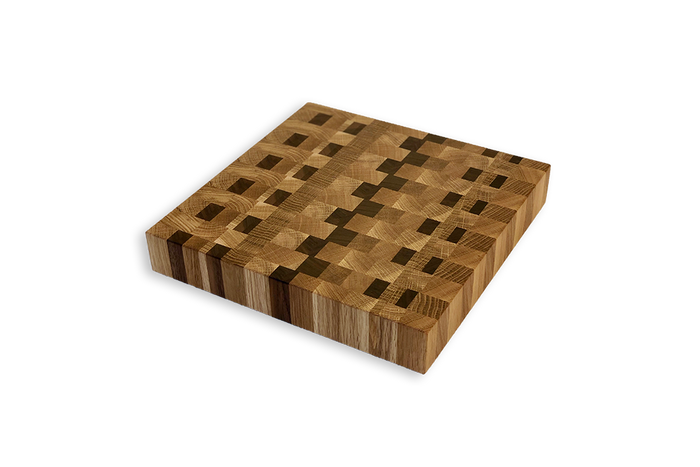
Smaller wood pieces like cutting boards and accessories need attention in Colorado's dry climate, too. A new cutting board should be conditioned weekly with board butter for the first month to help it acclimate. After that, a monthly application keeps the wood fibers from drying out and cracking.
Never submerge a wood cutting board in water, never put it in the dishwasher, and avoid leaving it near a hot stove. Clean it with a damp cloth and mild soap, and always apply board butter after washing to replenish the oils. Avoid baking soda, as it reacts with the natural oils and can permanently stain the wood.
Seasonal Adjustments for Colorado Homes
Colorado's seasons are dramatic, and your furniture feels every shift. Here's a quick seasonal guide:
Winter: This is the hardest season on wood furniture. Indoor heating dries the air fast. Run a humidifier and keep your thermostat steady. Avoid placing furniture near radiators, fireplaces, or heating vents.
Spring: Humidity rises slightly, and wood starts to reabsorb moisture. This is a natural and healthy process. You may notice that small seasonal gaps from winter start to close up.
Summer: Monsoon season brings more humidity to the Front Range, which is actually good for your wood. Watch for direct sunlight, though. Close blinds during the hottest part of the day to limit UV damage.
Fall: As heat kicks on and humidity drops, start running that humidifier again. Fall is a great time to give your table a light cleaning and inspect the finish.
Keep Your Furniture Beautiful for Life
Solid wood furniture is one of the best investments you can make for your home, and caring for it in Colorado doesn't have to be complicated. A soft cloth, a humidifier, and a little seasonal awareness go a long way. Every piece from Rooted ships with a care kit and detailed instructions, because we want your table to last for generations, not just years. Explore our collections or start a custom commission today.
Frequently Asked Questions
Will my solid wood table crack in Colorado's dry air?
Minor seasonal movement is normal for solid wood. Small gaps may appear in winter and close again in summer. Keeping indoor humidity between 35% and 45% greatly reduces the chance of any significant cracking. A well-built table with proper joinery handles seasonal shifts without structural issues.
What is the best humidity level for wood furniture in Colorado?
Aim for 35% to 45% relative humidity indoors. This range keeps wood stable and comfortable for your household. A simple digital hygrometer will help you keep an eye on it.
Can I use Pledge or other commercial furniture sprays on solid wood?
No. Commercial sprays often contain silicone, wax buildup agents, or chemicals that can damage a natural oil-and-wax finish over time. Stick to a soft dry cloth for routine care and use the specific cleaners recommended by your furniture maker.
How often should I oil or condition my wood table?
Most tables finished with natural oils and waxes don't require frequent re-oiling. Follow the specific care instructions provided with your piece. If the surface starts to feel dry or looks dull, a light application of the recommended product will bring it back.
Does altitude affect wood furniture differently than low-elevation climates?
Yes. Higher altitude means lower atmospheric pressure and typically lower humidity. Wood releases moisture more readily at altitude, which is why humidifiers and thoughtful placement matter more in Boulder than they would in a coastal city.