

If you're furnishing a home in Boulder, you have more options than most people realize. Big-box stores line the highway. Online retailers offer next-day delivery. And local makers build custom furniture from solid hardwood right here in town. The question isn't whether you can find furniture. It's whether the furniture you find is actually worth bringing into your home.
Custom furniture and mass-produced furniture serve very different purposes. One is built around your life. The other is built around a price point. Understanding the real differences between the two will help you make a decision you won't regret five years from now.
The Materials Are Fundamentally Different
This is the most important distinction, and it's the one most people overlook. Mass-produced furniture is typically made from particleboard, MDF, or plywood wrapped in a thin layer of veneer or laminate. It's engineered to look like wood without the cost of actual wood. And it works, at first. The problem is what happens after a year of daily use. Particleboard swells when it absorbs moisture. Veneer chips and peels. Laminate scratches and can't be repaired. These materials weren't designed for longevity. They were designed for a price tag.
Custom furniture starts with solid hardwood. White oak, walnut, cherry, maple. These species are dense, durable, and naturally beautiful. They can be sanded, refinished, and repaired. A scratch on solid wood is a ten-minute fix. A scratch on veneer is permanent. The material isn't just different. It's a completely different category.
Construction Methods That Actually Matter
How furniture is put together determines how long it lasts. Mass-produced furniture relies heavily on cam bolts, staples, pocket screws, and wood glue. These fasteners work fine for assembly, but they aren't designed to handle the stress of daily use over decades. That's why the legs wobble after a year and the joints start separating.
Custom furniture uses traditional joinery: mortise-and-tenon, dovetail, tongue-and-groove. These techniques create mechanical connections between pieces of wood that get stronger under pressure, not weaker. They've been used for hundreds of years because they work. They also allow wood to expand and contract naturally with seasonal humidity changes, which is critical in Colorado's climate where indoor humidity can swing from below 20% in winter to above 50% in summer.
The difference isn't visible from across the room. But you'll feel it the first time you lean on a well-built table and realize it doesn't move.
The Real Cost Comparison Over Time
Custom furniture costs more upfront. That's a fact, and there's no getting around it. A mass-produced dining table might run $500 to $1,200. A custom solid wood table will cost significantly more. But the comparison isn't really about the sticker price. It's about what you spend over time.
According to the American Home Furnishings Alliance, the average American replaces furniture every seven to fifteen years. Cheap furniture falls on the shorter end of that range. If you spend $800 every seven years, you've dropped $2,400 over two decades and still don't own anything worth keeping. A custom table bought once lasts for generations. The per-year cost often ends up lower, and you never have to shop for the same piece again.
There's also the resale factor. Solid wood furniture holds its value. A handmade dining table becomes a family asset. A particleboard table becomes a curbside donation.
Customization vs Picking From a Menu
Mass-produced furniture gives you options, but they're limited. You might pick from three finishes and two sizes. That's not designing. That's choosing from a menu someone else wrote.
Working with a custom furniture maker is a completely different experience. You sit down for a real conversation about your space. What's the ceiling height? How much natural light does the room get? How many people need to sit comfortably? Those details drive the design. You'll choose the wood species, the edge profile, the leg style, the accent details, and the finish. You'll see digital drawings before anything is built and have the chance to revise until it's exactly right.
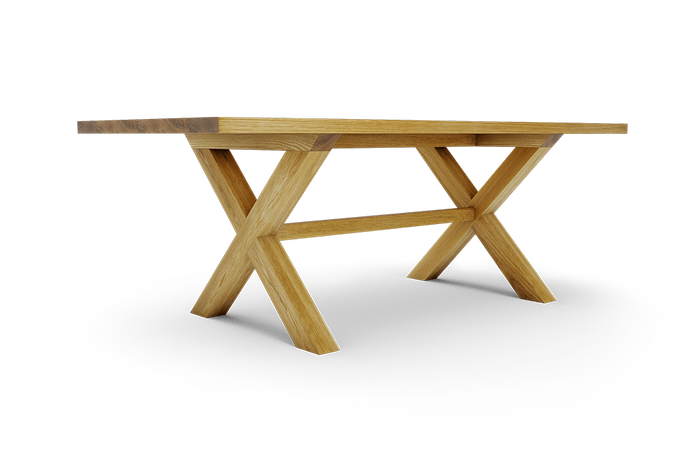
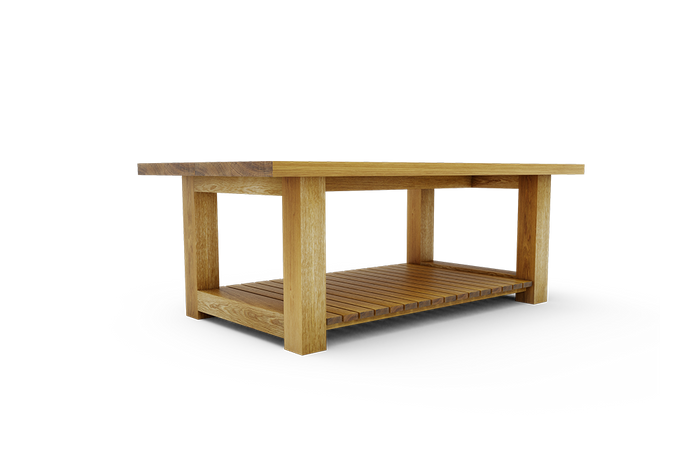
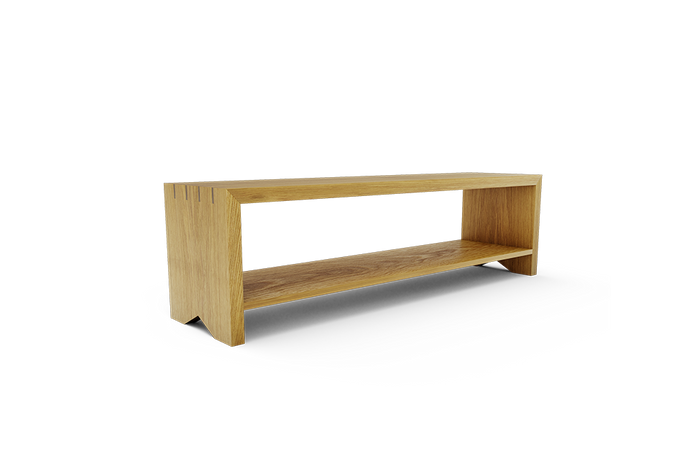
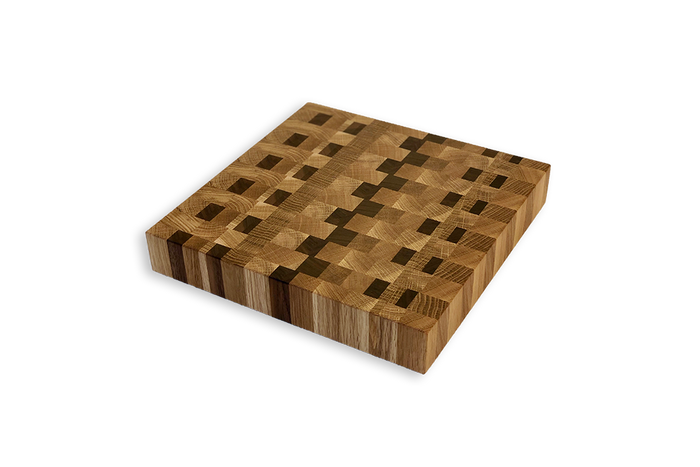
Take a look at a maker's portfolio to see the range of what's possible. Custom means the piece fits your room, your style, and your daily life, not the other way around.
Sustainability and Environmental Impact
The furniture industry has a serious waste problem. The EPA reports that over 12 million tons of furniture end up in U.S. landfills every year. The vast majority of that is mass-produced furniture made from materials that can't be repaired or recycled. It breaks, it gets tossed, and a new one takes its place.
Custom furniture built from solid wood breaks that cycle. A piece that lasts for decades doesn't end up in a landfill. It stays in your home, and eventually it gets passed down. At Rooted, we take it a step further. We use only responsibly forested lumber, and we plant a tree for every table sold through a partnership with the National Forest Foundation. Buying less and buying better is one of the most effective things you can do for the environment.
What Boulder's Climate Demands From Your Furniture
Boulder sits at 5,400 feet. Humidity drops below 20% in the winter. Summer monsoons push it above 50%. The sun is stronger at altitude, and temperature swings of 40 degrees in a single day aren't uncommon. That environment puts real stress on furniture.
Mass-produced furniture isn't built to handle it. Particleboard absorbs moisture unevenly and warps. Veneer separates from its substrate. Glue joints fail when wood expands and contracts seasonally.
Custom solid wood furniture, built with proper joinery and a quality finish, handles those conditions because it was designed to. The joints allow for natural movement. The finish protects against moisture loss. And with a few simple steps outlined in a good care and maintenance guide, your piece will look as good in ten years as it does the day it arrives.
Find the Right Fit for Your Home
Custom furniture isn't for everyone, and that's fine. But if you're a Boulder homeowner who values quality materials, real craftsmanship, and something built specifically for your space, it's worth exploring. At Rooted, every piece is handcrafted from solid hardwood right here in Boulder using traditional joinery and a plant-based finish that's safe for your family. Schedule a consultation and let's talk about what you're looking for.
Frequently Asked Questions
Is custom furniture always better than mass-produced?
Not necessarily. If you need a temporary solution or you're furnishing a space on a tight timeline, mass-produced furniture has its place. But if you're looking for something that lasts, fits your space perfectly, and is built from real materials, custom furniture is the better long-term investment.
How much more does custom furniture cost compared to store-bought?
Custom solid wood furniture costs more upfront than mass-produced alternatives. The exact price depends on the size, wood species, and design complexity. However, when you factor in the lifespan of the piece and the cost of replacing cheap furniture every few years, the per-year cost of custom furniture is often comparable or lower.
How long does custom furniture last vs mass-produced?
Mass-produced furniture typically lasts five to fifteen years depending on the materials and construction. Custom solid wood furniture built with traditional joinery can last for generations. Many antique pieces still in use today were built with the same techniques used by custom makers now.
Can I get custom furniture on a budget?
Custom furniture is an investment, but there are ways to manage cost. Choosing a more common wood species, simplifying the design, or starting with a smaller piece like a coffee table or bench can bring the price down. A good maker will work with you to find options that fit your budget without compromising on quality.
What's the biggest quality difference between custom and mass-produced furniture?
Materials and joinery. Custom furniture uses solid hardwood and traditional joints that create lasting structural integrity. Mass-produced furniture typically uses engineered wood products and hardware-based assembly that wears out much faster under daily use.
References
U.S. Environmental Protection Agency. "Durable Goods: Product-Specific Data." https://www.epa.gov/facts-and-figures-about-materials-waste-and-recycling/durable-goods-product-specific-data
American Home Furnishings Alliance. https://www.ahfa.us/