

Colorado's climate is beautiful, but it is tough on wood. Low humidity, wide temperature swings, intense UV exposure at altitude, and indoor air that gets even drier in winter create conditions that not every wood species handles well. If you are investing in solid wood furniture for your home along the Front Range, the species you choose matters.
We build furniture in Boulder at roughly 5,400 feet above sea level, and we have worked with just about every domestic hardwood you can name. Some perform beautifully here. Others need extra attention. Here is an honest look at the wood species we recommend most often for Colorado homes and why.
Why Colorado's Climate Matters for Wood Furniture
Wood is a living material. Even after it is cut, dried, and built into a table, it continues to respond to the moisture in the air around it. When humidity drops, wood contracts. When humidity rises, wood expands. This is normal and unavoidable.
In Colorado, the average indoor humidity during winter can drop below 20 percent. That is extremely dry. In summer, it might climb to 40 or 50 percent. That seasonal swing puts stress on wood joints and can cause cracking, warping, or gaps if the wood is not properly dried and the furniture is not well-constructed.
The species you choose plays a role in how well your furniture handles these shifts. Some woods are more dimensionally stable than others, meaning they expand and contract less in response to humidity changes.
White Oak
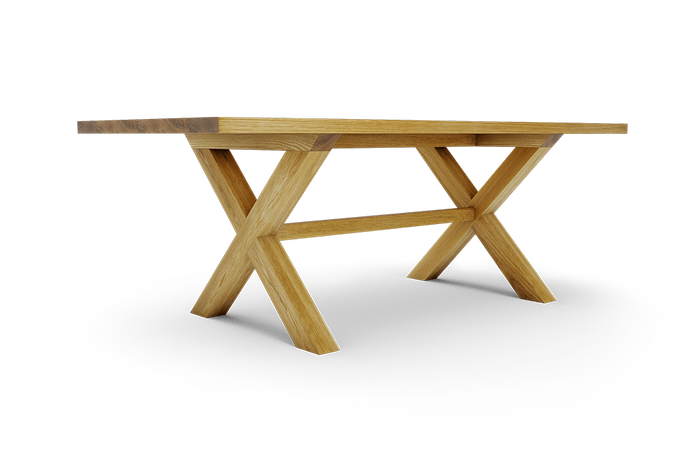
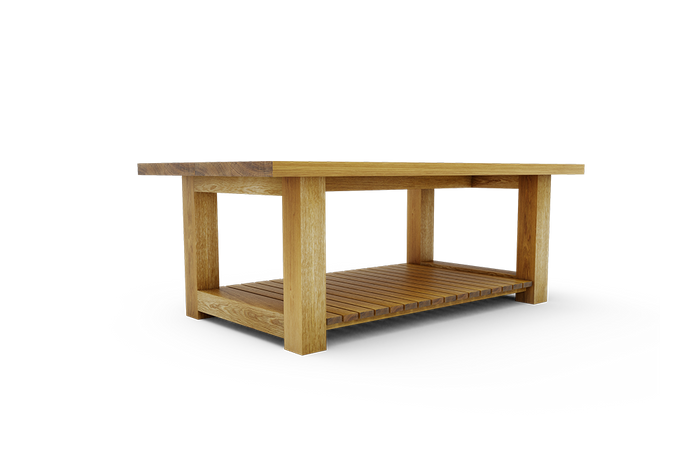
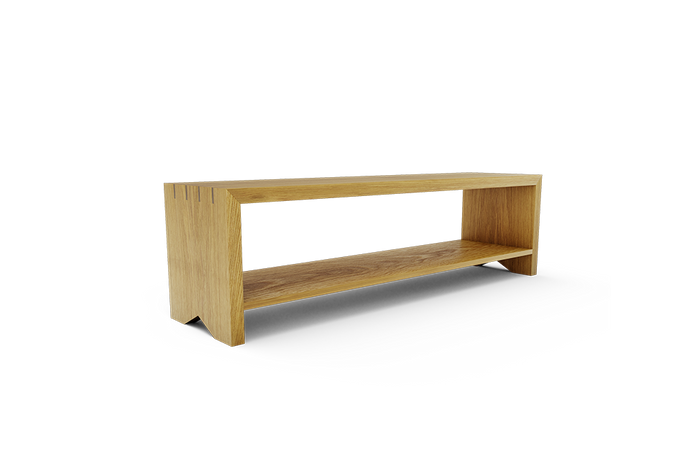
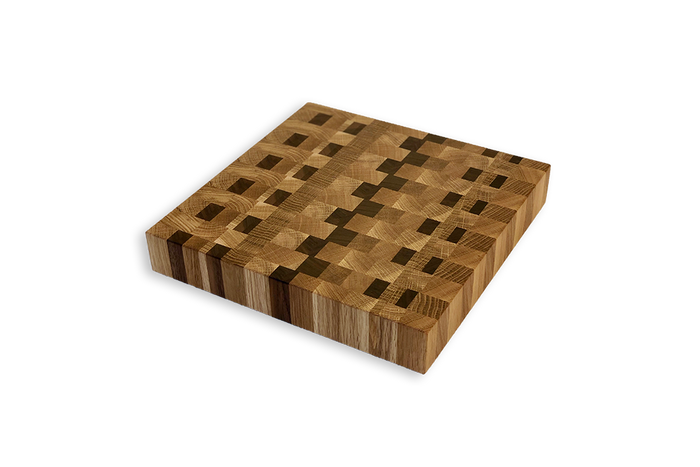
White oak is our most-recommended species for Colorado, and for good reason. It is dense, hard, and remarkably stable. The grain pattern is bold and distinctive, with a mix of straight lines and ray flecks that give each piece visual depth.
On the Janka hardness scale (which measures resistance to denting), white oak scores around 1,360. That puts it in the upper range of domestic hardwoods. It holds up to daily use, resists moisture penetration thanks to its closed-pore structure, and ages gracefully over time, developing a warmer amber tone.
White oak works well in Colorado because of its stability. It handles humidity swings better than many alternatives, which means fewer seasonal movement issues. It also takes our plant-based finish beautifully, with the oil deepening the grain without darkening the overall tone too much.
Many of our most popular dining tables are built in white oak. It is a species that fits nearly every style, from modern minimalist to rustic farmhouse.
Walnut
Black walnut is the other wood we reach for constantly. It is a premium domestic hardwood with rich chocolate-brown tones, often streaked with lighter sapwood that adds contrast and character. Walnut's grain is typically straight with occasional waves, and it has a natural warmth that photographs cannot fully capture.
Walnut scores around 1,010 on the Janka scale, which makes it softer than white oak but still plenty durable for furniture. It is a bit more susceptible to dents, so we often recommend it for pieces that see moderate use, like dining tables in adult households, coffee tables, desks, and shelving.
In Colorado, walnut performs well as long as indoor humidity is managed. We recommend keeping a humidifier running during the winter months (ideally maintaining 30 to 45 percent relative humidity) to minimize seasonal movement. This advice applies to all wood species, but walnut benefits from it most.
Hard Maple
Hard maple (also called sugar maple or rock maple) is the hardest domestic species we commonly use, scoring around 1,450 on the Janka scale. It is pale, clean, and contemporary, with a tight, uniform grain that gives furniture a sleek, modern feel.
Maple is an excellent choice for households with kids because it resists denting and scratching better than walnut. It is also dimensionally stable, which makes it a reliable performer in Colorado's dry climate.
The tradeoff with maple is that it can be more difficult to finish evenly. Its tight grain does not absorb oil the same way open-grained woods like oak do. In our shop, we have refined our finishing process to get beautiful, consistent results on maple, but it does require more care during application.
Cherry
Cherry is a beautiful wood that ages unlike anything else. It starts out a light pinkish-brown and darkens significantly over time, eventually reaching a deep reddish-brown. This color change happens naturally through light exposure and is one of cherry's most distinctive traits.
On the hardness scale, cherry comes in around 950 Janka, making it the softest option on this list. It will show wear more readily than oak or maple. For some people, that is a drawback. For others, it is part of the charm. A well-used cherry table develops a patina that tells a story.
Cherry is moderately stable in terms of seasonal movement. In Colorado, it performs reasonably well with proper humidity management, though it is not quite as forgiving as white oak.
Quick Comparison
-
White Oak: Janka 1,360. Bold grain, high stability, excellent for Colorado. Our top recommendation.
-
Walnut: Janka 1,010. Rich dark tones, moderate hardness, gorgeous character. Performs well with humidity management.
-
Hard Maple: Janka 1,450. Hardest option, pale and modern, very stable. Great for families with kids.
-
Cherry: Janka 950. Beautiful aging, softest option, moderate stability. Best for lower-traffic pieces.
Care Tips for Dry Climates
Regardless of species, there are a few things you can do to help your furniture thrive in Colorado's dry air:
-
Run a humidifier in winter, targeting 30 to 45 percent relative humidity.
-
Avoid placing furniture directly next to heating vents or fireplaces.
-
Keep up with your finish maintenance. A fresh coat of oil once or twice a year helps the wood retain moisture.
-
Use coasters and trivets to protect against heat and moisture from dishes and glasses.
For detailed finish care instructions, visit our care and maintenance page.
Frequently Asked Questions
Which wood is best for a dining table in Colorado?
White oak is our top pick for dining tables. It is the most dimensionally stable, the most durable, and it handles Colorado's humidity swings better than any other domestic hardwood we work with.
Is walnut too soft for everyday use?
No. Walnut is softer than oak or maple, but it is still a hardwood. It holds up well to normal dining use. If you have young children who are hard on surfaces, oak or maple might be a safer choice.
Does altitude affect wood furniture?
Altitude itself does not directly affect the wood, but the low humidity that comes with high elevation does. Drier air means more seasonal movement. Proper kiln-drying, good construction techniques, and humidity management at home all help.
Can I mix wood species in one room?
Absolutely. Mixing a walnut dining table with white oak shelving or a maple desk creates visual interest and depth. There are no rules that say everything has to match.
Want help choosing the right species for your project? Start a commission and we will walk you through the options based on your space, style, and how you use the piece.